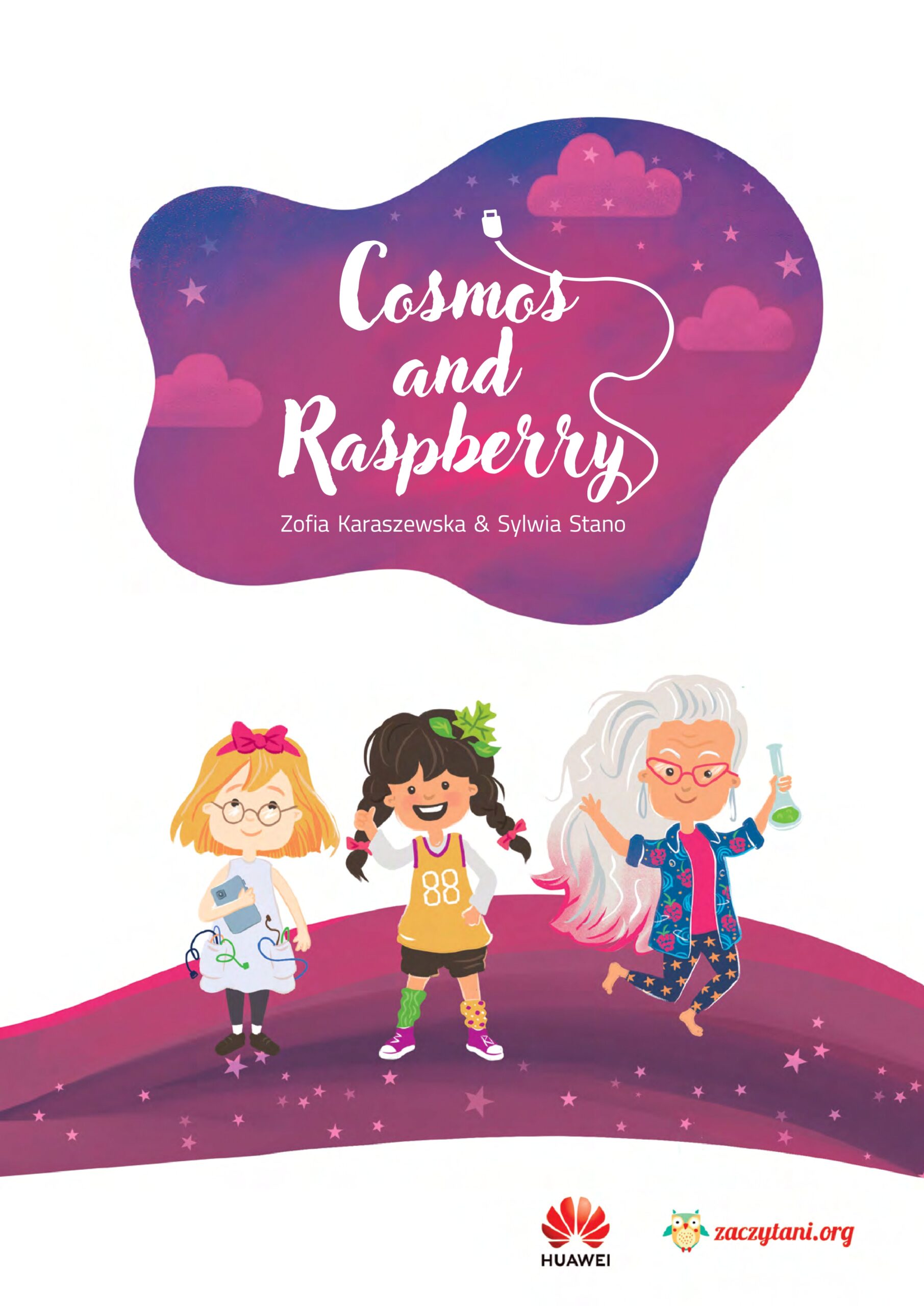
Cosmos and Raspberry
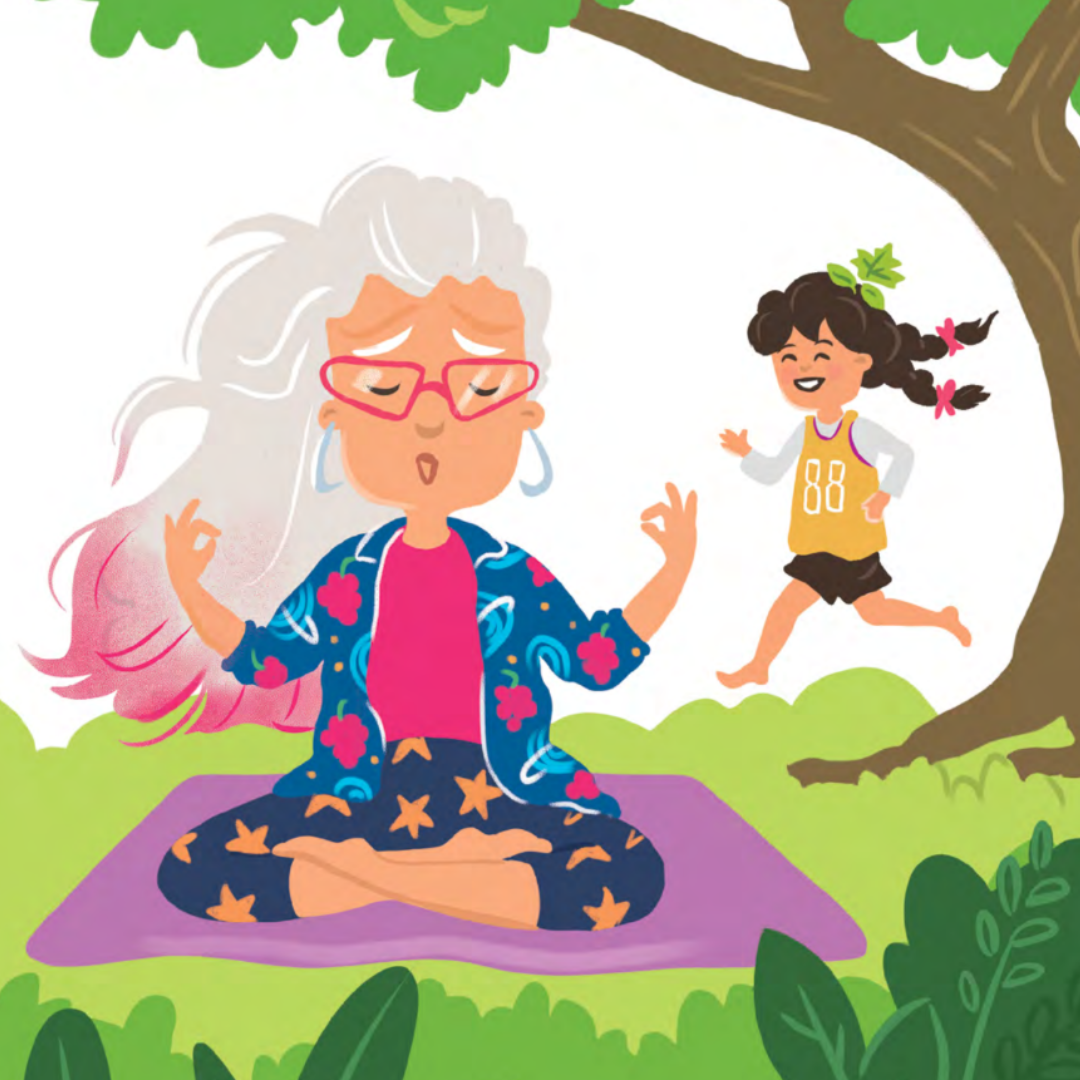
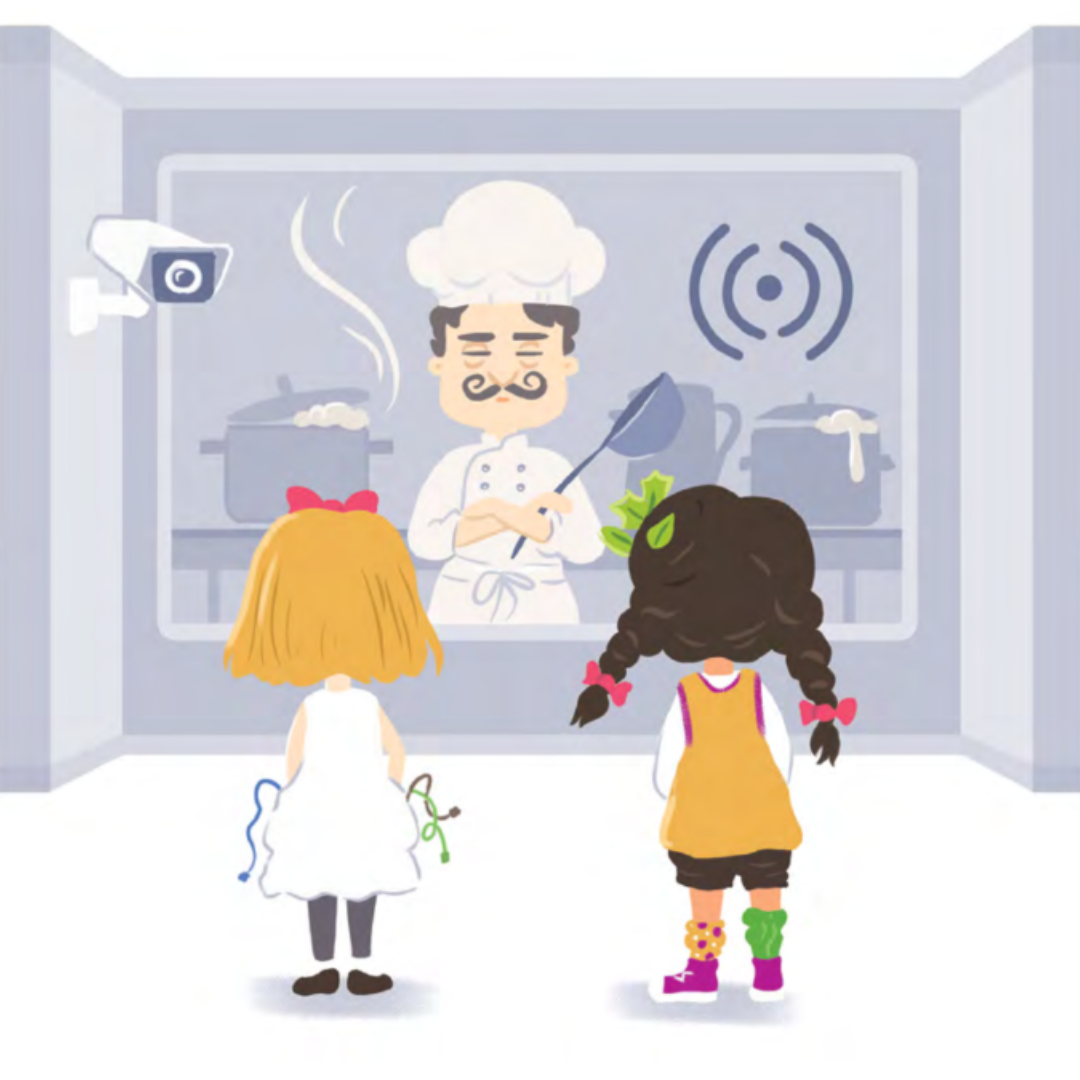
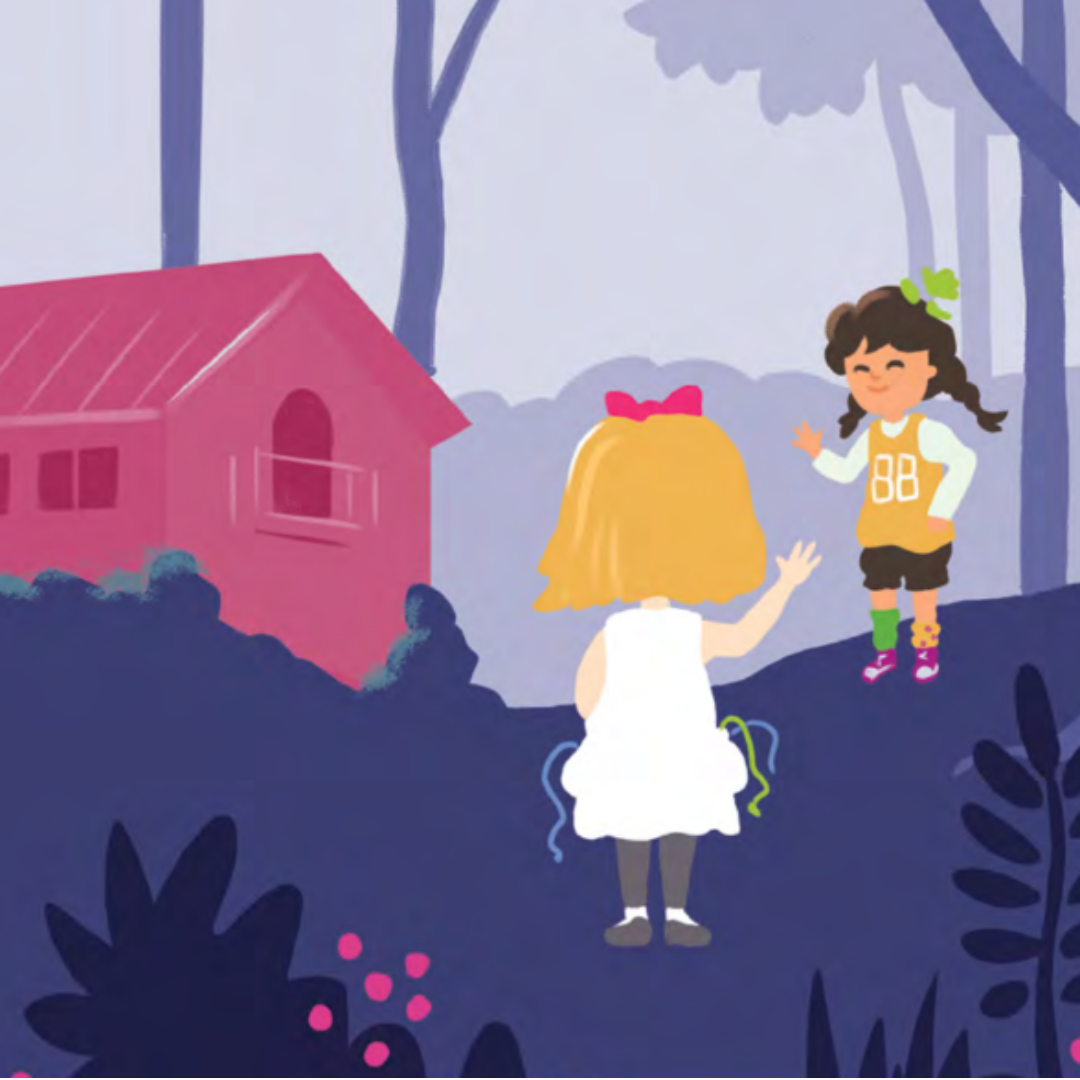
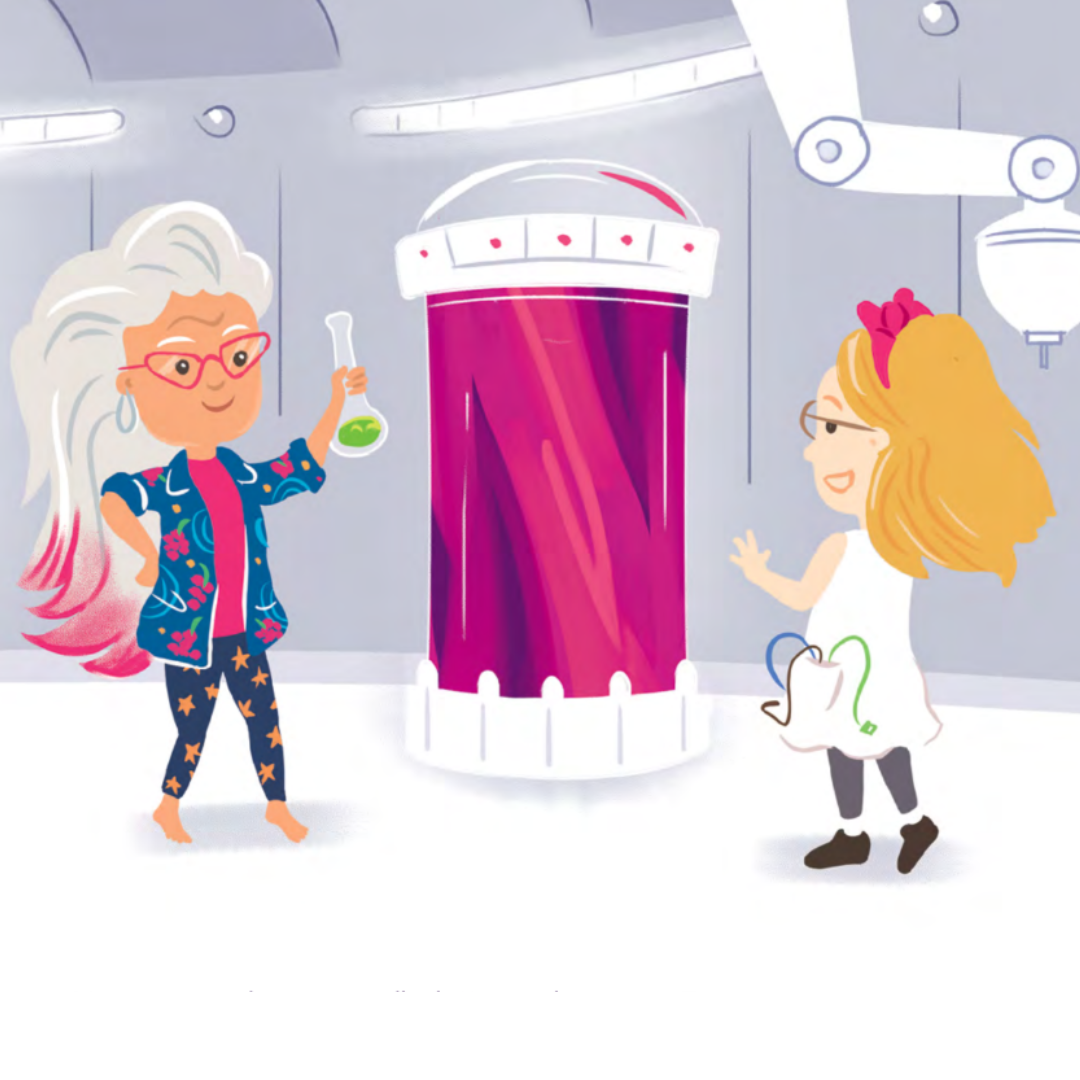
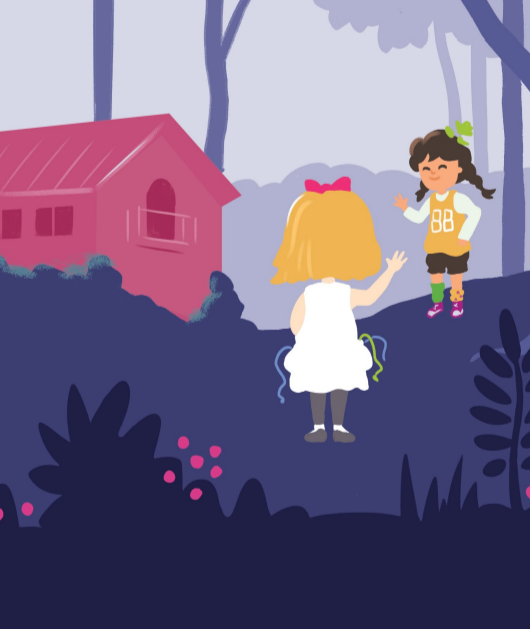
When attempts to ensure absolute safety for children through sterile upbringing deprive them of the taste and joy of life, Malina and Jagoda, two brave girls, take matters into their own hands and reprogram the world for the better. “Cosmos and Raspberry” is an educational storybook that teaches children that thinking outside of the box is always worth it, and that believing in your own abilities and sense of agency can change our world.
Author: Zofia Karaszewska & Sylwia Stano | Illustrations: Adam Fatyga Zofia Karaszewska & Sylwia Stano | Author of the expert materials dr hab. Prof. UAM Iwona Chmura-Rutkowska
All people involved in the project:
Share


How does fairy tale therapy work?
Fairy tale therapy

What will you find in this storybook?
Let's start fairy tale therapy

Read
You can listen to this fairy tale here:


This publication was created as part of an educational program run by the Zaczytani.org Foundation and Huawei. Together, we support Sustainable Development Goals 4, 5, and 10:
People involved in this project
-

Sylwia Stano
A cultural studies specialist, writer, and reading-promotion advocate
A cultural studies specialist, writer, and reading-promotion advocate, she is a graduate of the first edition of the Ecopoetics School at the Institute of Reportage. She writes, among others, for Przekrój and Pismo. She is the author of the books “Opera for Three Deaths” and “This Is Kaśka,” and a co-author of “Ada, That’s Not Done,” “Under the Lining,” as well as the social campaign “Read! See More.” She is also a guide in Kampinos National Park, leading excursions under the name “Lipa Warszawska.” -
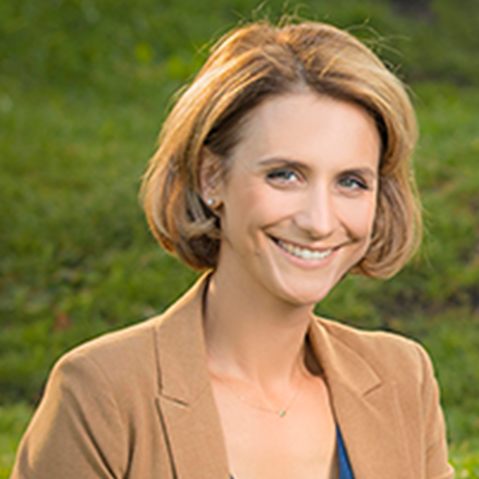
Zofia Karaszewska
A mother and yogi. Journalist and screenwriter
A mother and yogi. Journalist and screenwriter. Co-author of the books “Ada, That’s Not Done!” and “Under the Lining.” She collaborates with the Kosmos Foundation and is the creator of the reading-promotion social campaigns “Read, See More!” and “I Read on My Own.” She is the Chair of the Warsaw Bibliotherapy Circle and was listed by Brief magazine among the “50 Most Creative Figures in Polish Business.” -
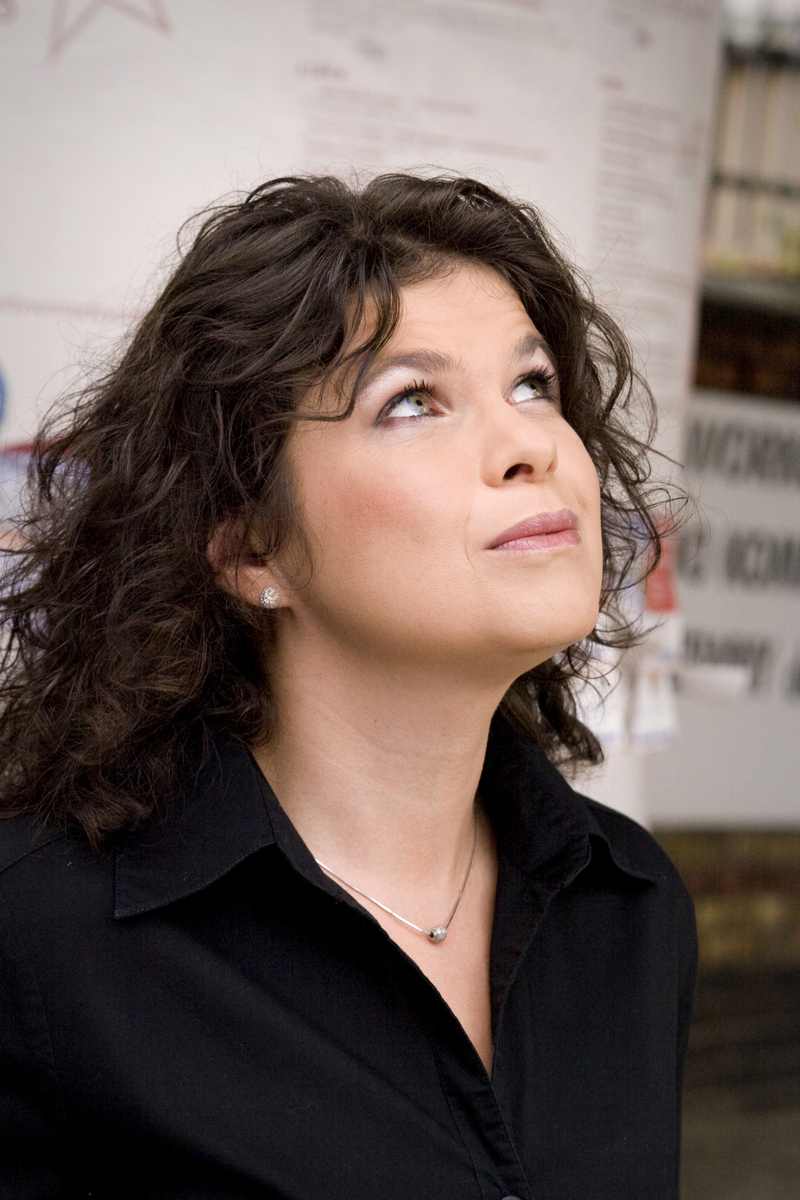
dr habil. Prof. UAM Iwona Chmura-Rutkowska
Dr. habil., Professor at Adam Mickiewicz University, pedagogue, sociologist, and equality-focused educator
Dr. habil., Professor at Adam Mickiewicz University (UAM), pedagogue, sociologist, and equality-focused educator. She works in the Department of Sociology of Education at the Faculty of Educational Studies at Adam Mickiewicz University in Poznań. She is a project leader, researcher, and consultant on initiatives concerning education, socialization, discrimination, and stereotype-based violence in various areas of social life, as well as women’s history studies. She is the author and co-author of academic publications, as well as popular-science articles, educational and training materials, and workshops for children, young people, and adults. -

Adam Fatyga
Graphic designer, illustrator, creator of animations and short films
Graphic designer, illustrator, and creator of animations and short films. A graduate of the Eugeniusz Geppert Academy of Art and Design in Wrocław, he has supported the Zaczytani.org Foundation since its very beginning. For the Foundation, he has created, among other things, illustrations for the children’s stories “Now Tosia Speaks,” “Good Advice on Waste,” and “Mountains of Hope.” His illustrations spark the imagination of children all across Poland, helping them experience the stories they read even more deeply.
-
Sylwia Stano
A cultural studies specialist, writer, and reading-promotion advocate
A cultural studies specialist, writer, and reading-promotion advocate, she is a graduate of the first edition of the Ecopoetics School at the Institute of Reportage. She writes, among others, for Przekrój and Pismo. She is the author of the books “Opera for Three Deaths” and “This Is Kaśka,” and a co-author of “Ada, That’s Not Done,” “Under the Lining,” as well as the social campaign “Read! See More.” She is also a guide in Kampinos National Park, leading excursions under the name “Lipa Warszawska.” -
Zofia Karaszewska
A mother and yogi. Journalist and screenwriter
A mother and yogi. Journalist and screenwriter. Co-author of the books “Ada, That’s Not Done!” and “Under the Lining.” She collaborates with the Kosmos Foundation and is the creator of the reading-promotion social campaigns “Read, See More!” and “I Read on My Own.” She is the Chair of the Warsaw Bibliotherapy Circle and was listed by Brief magazine among the “50 Most Creative Figures in Polish Business.” -
dr habil. Prof. UAM Iwona Chmura-Rutkowska
Dr. habil., Professor at Adam Mickiewicz University, pedagogue, sociologist, and equality-focused educator
Dr. habil., Professor at Adam Mickiewicz University (UAM), pedagogue, sociologist, and equality-focused educator. She works in the Department of Sociology of Education at the Faculty of Educational Studies at Adam Mickiewicz University in Poznań. She is a project leader, researcher, and consultant on initiatives concerning education, socialization, discrimination, and stereotype-based violence in various areas of social life, as well as women’s history studies. She is the author and co-author of academic publications, as well as popular-science articles, educational and training materials, and workshops for children, young people, and adults. -
Adam Fatyga
Graphic designer, illustrator, creator of animations and short films
Graphic designer, illustrator, and creator of animations and short films. A graduate of the Eugeniusz Geppert Academy of Art and Design in Wrocław, he has supported the Zaczytani.org Foundation since its very beginning. For the Foundation, he has created, among other things, illustrations for the children’s stories “Now Tosia Speaks,” “Good Advice on Waste,” and “Mountains of Hope.” His illustrations spark the imagination of children all across Poland, helping them experience the stories they read even more deeply. -
Sylwia Stano
A cultural studies specialist, writer, and reading-promotion advocate
A cultural studies specialist, writer, and reading-promotion advocate, she is a graduate of the first edition of the Ecopoetics School at the Institute of Reportage. She writes, among others, for Przekrój and Pismo. She is the author of the books “Opera for Three Deaths” and “This Is Kaśka,” and a co-author of “Ada, That’s Not Done,” “Under the Lining,” as well as the social campaign “Read! See More.” She is also a guide in Kampinos National Park, leading excursions under the name “Lipa Warszawska.” -
Zofia Karaszewska
A mother and yogi. Journalist and screenwriter
A mother and yogi. Journalist and screenwriter. Co-author of the books “Ada, That’s Not Done!” and “Under the Lining.” She collaborates with the Kosmos Foundation and is the creator of the reading-promotion social campaigns “Read, See More!” and “I Read on My Own.” She is the Chair of the Warsaw Bibliotherapy Circle and was listed by Brief magazine among the “50 Most Creative Figures in Polish Business.” -
dr habil. Prof. UAM Iwona Chmura-Rutkowska
Dr. habil., Professor at Adam Mickiewicz University, pedagogue, sociologist, and equality-focused educator
Dr. habil., Professor at Adam Mickiewicz University (UAM), pedagogue, sociologist, and equality-focused educator. She works in the Department of Sociology of Education at the Faculty of Educational Studies at Adam Mickiewicz University in Poznań. She is a project leader, researcher, and consultant on initiatives concerning education, socialization, discrimination, and stereotype-based violence in various areas of social life, as well as women’s history studies. She is the author and co-author of academic publications, as well as popular-science articles, educational and training materials, and workshops for children, young people, and adults. -
Adam Fatyga
Graphic designer, illustrator, creator of animations and short films
Graphic designer, illustrator, and creator of animations and short films. A graduate of the Eugeniusz Geppert Academy of Art and Design in Wrocław, he has supported the Zaczytani.org Foundation since its very beginning. For the Foundation, he has created, among other things, illustrations for the children’s stories “Now Tosia Speaks,” “Good Advice on Waste,” and “Mountains of Hope.” His illustrations spark the imagination of children all across Poland, helping them experience the stories they read even more deeply.